
The Consequences of Under-Predicting Energy Use and Oversizing Systems in Multifamily Buildings

Passive House design can result in efficient, cost-effective, comfortable, and resilient multifamily buildings—as long as it’s based on accurate data.
Heat Pump Water Heaters in Apartments Show Promise
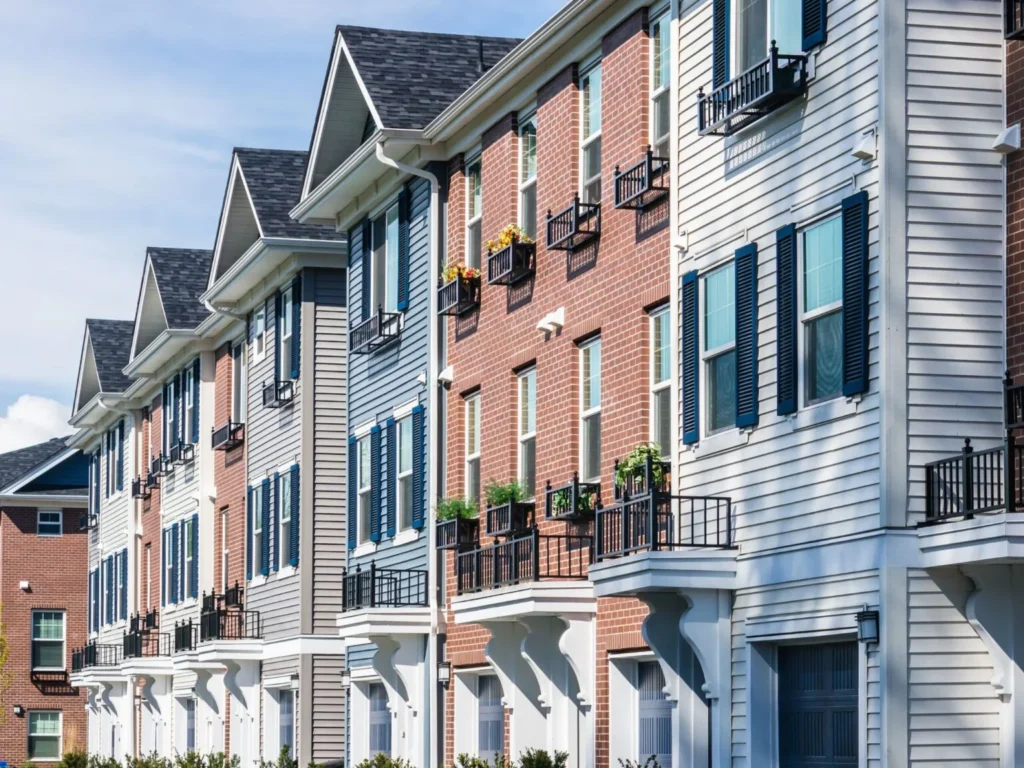
Heat pump water heaters have a checkered reputation in multifamily buildings due to space constraints, noise, and comfort concerns. But a new study by SWA found that when integrated heat pump water heaters (iHPWHs) are designed and installed correctly, they can operate efficiently with virtually no resident complaints.
Debunking the Costs of Energy Code Compliance in Massachusetts: Construction and Delivery
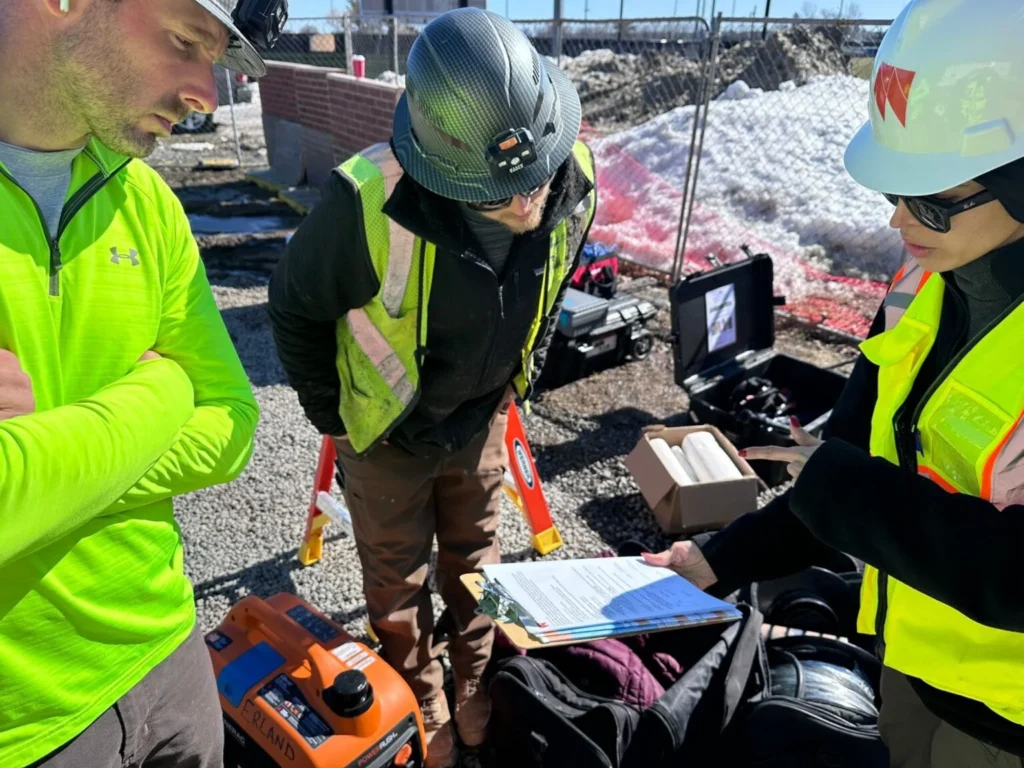
When projects move from design into construction, the cost conversation doesn’t get simpler—it gets less precise. Construction-phase cost pressure is rarely caused by a single requirement. It emerges from how design decisions, procurement timing, trade coordination, and field execution interact under real project conditions. This second post in our series looks at the construction and […]
Accessibility Litigation Prevention: The Rules for Commercial Buildings that Predate the ADA

The Americans with Disabilities Act went into effect in 1992 and covers a variety of building types. We’ve heard the assumption that buildings constructed prior to the law are exempt, but that’s not always the case. Here is what you need to know if litigation arises.
5 Misconceptions About the Americans with Disabilities Act & 2010 ADA Standards for Accessible Design
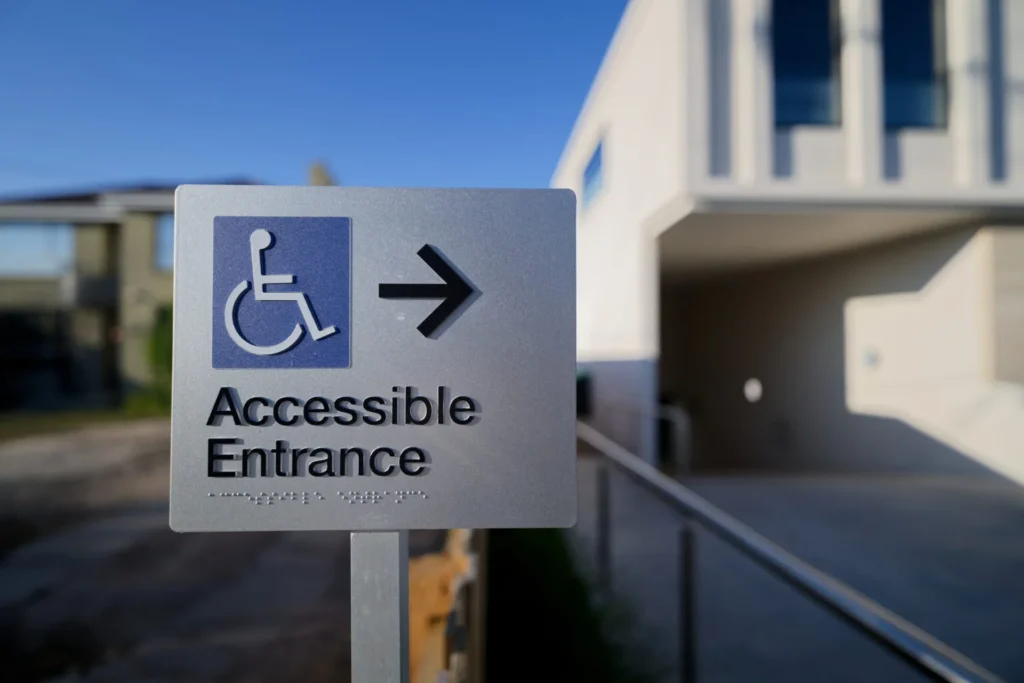
More than three decades after the passage of the Americans with Disabilities Act (ADA), the law is widely recognized, but misconceptions about how it applies to buildings and facilities continue to create confusion, and in some cases, costly compliance issues.
Answering All Your Questions About the Passive House Institute’s Low Energy Building Standard

Is the Low Energy Building (LEB) standard the right choice for your next multifamily project? We’re answering frequently asked questions about this cost-effective certification pathway developed by the Passive House Institute (PHI).